6 Rare Bicentennial Quarters coins : Back in 1976, the U.S. Mint rolled out special quarters to mark America’s 200th birthday, featuring that iconic dual date of 1776-1976 and a reverse side with a drummer boy and victory torch.
While billions were minted, a handful stand out as true rarities due to quirky minting mishaps that make collectors’ hearts race.
Table of Contents
The Double Die Obverse Marvel
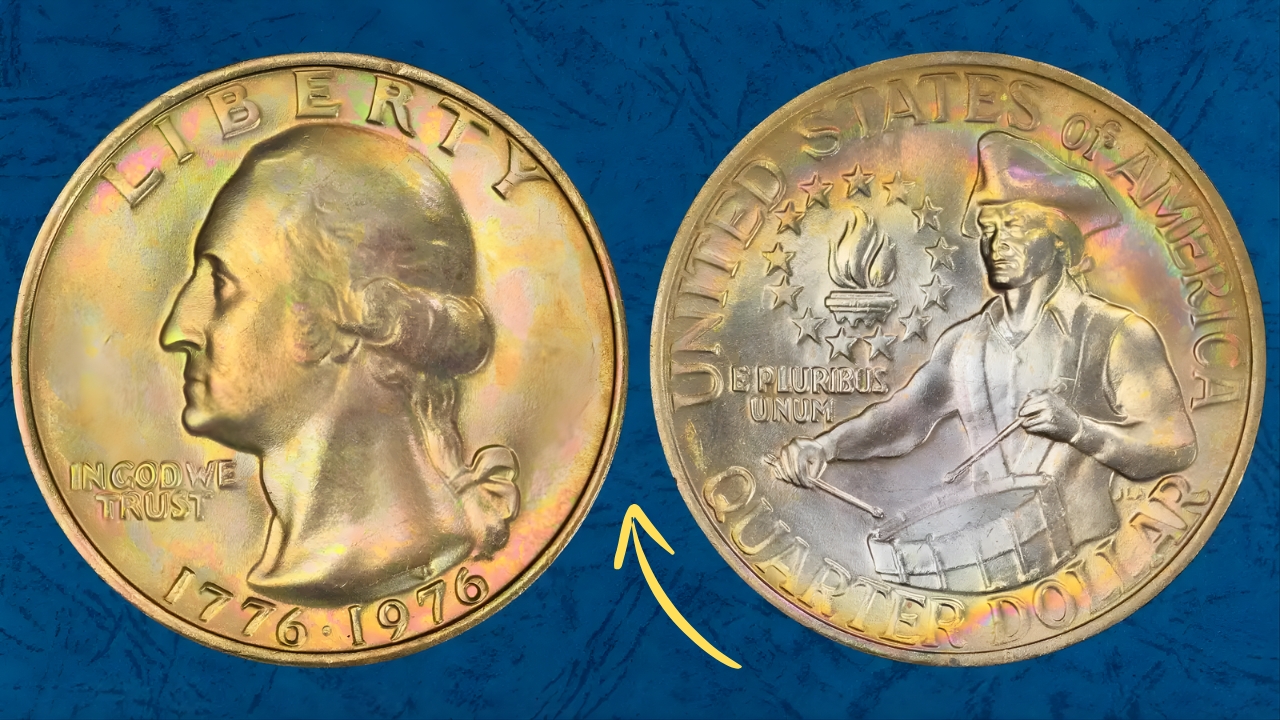
Imagine pulling a quarter from your pocket where the letters on “LIBERTY” look like they’ve been stamped twice, with ghostly outlines hugging every curve.
This double die obverse error happened when the die shifted slightly during production at the Denver Mint, creating that telltale doubling especially noticeable on the “R” in Liberty and the date.
These gems pop up mostly on 1976-D quarters, and spotting the split serifs on letters like the L or I is your clue.
Videos from coin enthusiasts show close-ups under magnification, revealing how the misalignment gives it a three-dimensional pop that screams rarity.
Numismatists geek out over these because they’re not just flaws—they’re snapshots of human error in the massive minting machine.

Off-Center Strike Thrillers
Picture George Washington’s profile shoved way off to one side, leaving a blank chunk of metal staring back at you.
Off-center strikes occur when the metal planchet slides during the strike, misaligning the design by 10% or more while still showing key details like the date.
The more dramatic the shift without losing legibility, the better, as explained in detailed YouTube breakdowns with real examples rotated under lights.
These errors turned up across Philadelphia, Denver, and San Francisco mints, turning ordinary circulation coins into oddball treasures that savvy hunters snatch from bank rolls.
Broadstruck Oddities
Ever seen a quarter that’s flattened out like it got squished, with wide, smooth edges instead of the usual reeding? Broadstruck errors happen when the retaining collar fails, letting the coin spread beyond its normal bounds during the strike.
Coin channels demonstrate this by comparing normal quarters to these wide boys, where the design bulges unevenly.
Mostly from Denver presses, they catch the eye immediately and remind us how finicky minting can be even with billions produced.
Clipped Planchet Curiosities
Grab a quarter and notice a smooth, curved bite taken out of the edge, like a cookie with a missing chunk. Clipped planchet errors stem from the blank-cutting machine nipping off too much metal before striking, leaving that distinctive arc.
YouTube experts tilt these under cameras to highlight the clean clip versus wear damage, noting how 5-10% missing makes it prime.
These sneaky rarities slipped into circulation from all three mints, waiting for sharp-eyed collectors to spot them in change jars.
Wrong Planchet Wonders
What if your Bicentennial quarter feels thicker and weighs like a nickel? These wrong planchet errors occur when a quarter die punches a nickel blank by mistake, resulting in a smaller, oddly sized coin with stretched designs.
Transcripts from hunting videos describe weighing them—around 4.9 grams versus the standard 5.67—and showing the telltale thin lettering.
Denver minted most known examples, turning a simple mix-up into a collector’s adrenaline rush straight from pocket change.
6 Rare Bicentennial Quarters coins : No Mint Mark Proof Prizes
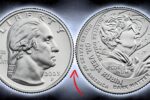
Proof quarters from San Francisco usually flaunt an “S” below the wreath, but a tiny batch skipped it entirely, creating no-mint-mark mysteries. These were struck for sets but erred in marking, blending into clad circulation proofs by accident.
Close-up footage in numismatic vids contrasts them with marked siblings, emphasizing the blank space’s allure.
Only a whisper of these exist in top grades, fueling endless debates and hunts among serious Bicentennial buffs.
Also Read This : 10 Rare U.S. Coins value is $260 Million – Still in Circulation
These six rarities capture the wild side of 1976 minting, where high-volume production met rare glitches. Coin community videos keep the excitement alive, urging folks to dig through jars with a magnifier handy.
Whether you’re a casual finder or deep-diving collector, these quarters prove history hides in plain sight, sparking stories passed down at shows and online forums.