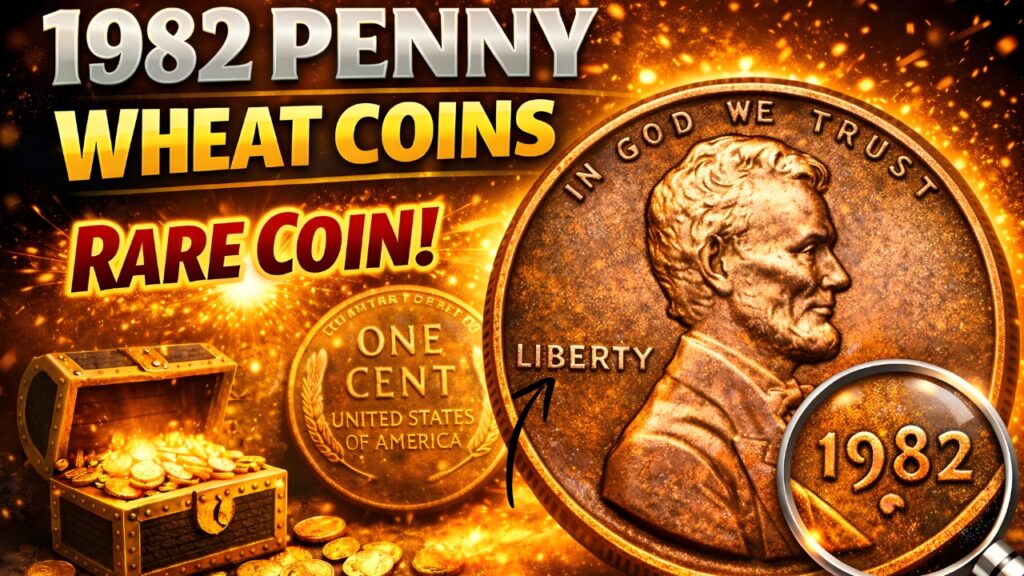
Wheat Pennies coins : Those familiar little pennies with wheat stalks on the back are suddenly everywhere in conversations among collectors.
Recent buzz from popular YouTube channels has everyday folks digging through jars for overlooked treasures from decades past.
Table of Contents
Roots of the Iconic Design
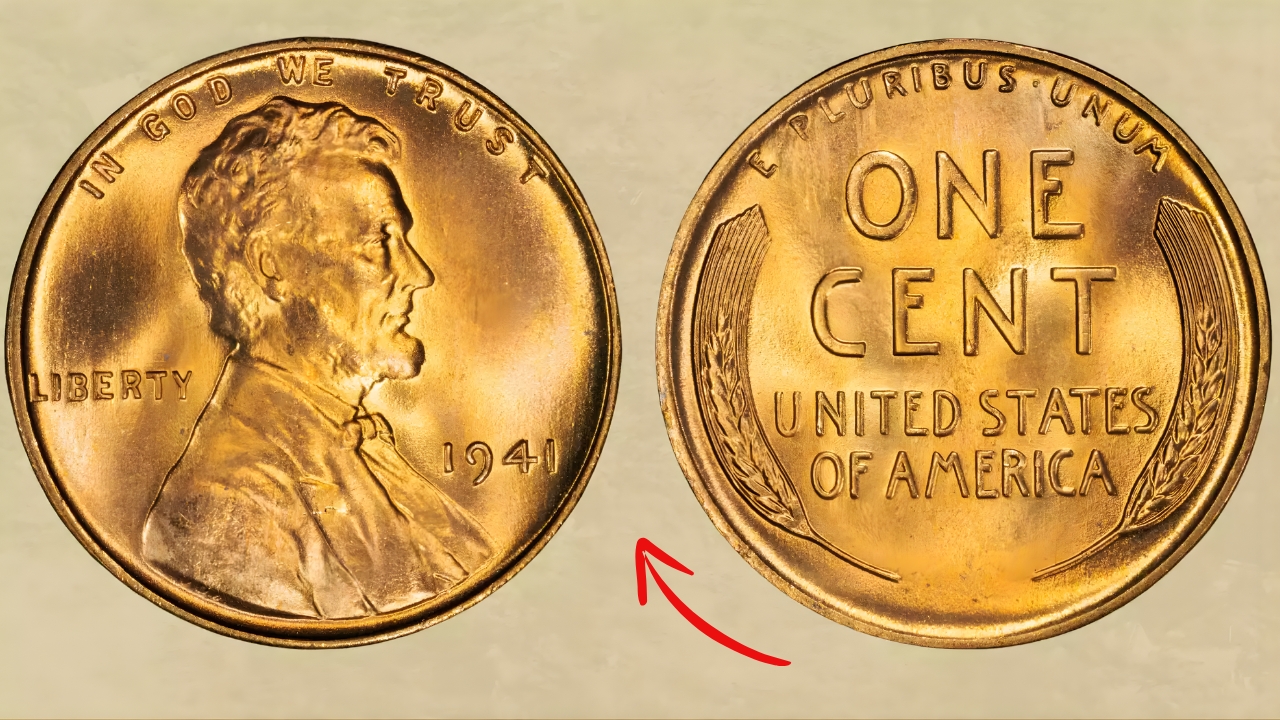
The Lincoln Wheat Penny first rolled out in 1909 to honor Abraham Lincoln’s centennial. Victor David Brenner crafted the obverse with Lincoln’s profile, while the reverse showed two wheat ears framing “One Cent.”
This design choice symbolized America’s agricultural heartland during a time of rapid industrialization.
Minted through 1958 across Philadelphia, Denver, and San Francisco facilities, billions entered circulation, touching daily life from candy counters to payphones.
Many survived in attics and drawers, untouched for generations. Now, with the penny phase-out making headlines, these coins evoke nostalgia for a simpler era of pocket change.
Why They’re Captivating Collectors Now
YouTube creators like The Coins Explorer are fueling a hunting craze, spotlighting how ordinary-looking wheat pennies hide extraordinary stories. Videos urge viewers to scrutinize dates like 1950-D or 1945 for subtle minting quirks that set them apart.

Booming interest stems from the coins’ ties to pivotal history—World Wars, the Depression, post-war boom. As modern pennies fade, wheat varieties bridge past and present, drawing new enthusiasts eager to connect with heritage.
Scarcity plays a huge role too. While common dates abound, pristine survivors or those with production glitches stand out in a sea of worn copper. Channels break down visuals, turning casual viewers into savvy spotters overnight.
Spotlight on Standout Years and Marks
Take the 1950-D, a Denver Mint product from a booming economy year. Its potential for doubled elements in lettering or profile makes it a favorite in treasure hunts, as highlighted in recent video deep dives.
The 1945 issue marks World War II’s end, with some struck using recycled shell casings—literal war relics in pocket change. Transitional oddities from steel-to-copper shifts add layers of intrigue for history buffs.
Later dates like 1951 or 1958-D shine in collector trends, per Numismatic Market updates. San Francisco’s smaller runs naturally amp up rarity, pulling bids from global audiences tuning into trend reports.
Error hunters zero in on doubled dies, where die misalignment creates ghostly offsets visible even without a loupe. Repunched marks or off-center strikes turn routine strikes into conversation starters at shows.
The Thrill of the Everyday Hunt
Imagine sifting through grandma’s coin jar and spotting a 1944 anomaly—perhaps a steel planchet lingering from wartime conservation. YouTube tales of estate finds or bank roll searches inspire thousands to join the chase.
Coin roll hunting thrives as a low-barrier thrill. Buy boxes from banks, scan for wheat ears peeking from copper stacks, and feel the rush of potential discovery. Communities share photos online, building excitement around fresh pulls.
Preservation matters deeply. Original luster, sharp details, and unaltered surfaces elevate finds. Experts stress avoiding cleaning, which can ruin appeal—advice echoed across channels to protect accidental jackpots.
Expert Eyes and Authentication Buzz
Grading services like PCGS and NGC verify gems, slab them in tamper-proof holders, and track populations. A top-graded error coin becomes pedigree gold, chased by institutions and high-end buyers.
Videos dissect grading scales, from circulated fine to flawless mint state. Eye appeal—color, strike, surfaces—trumps technical scores, making subjective beauty a hot topic in comments sections.
Market shifts favor bold varieties over subtle ones. Late-series pieces like 1954-S gain traction for blending scarcity with visual punch, as trend analyses reveal surging demand among younger collectors.
Cultural Surge in Coin Fever
Social media amplifies stories of overlooked fortunes in change jars. With pennies soon history, wheat cents symbolize enduring American grit—from farm fields to mint presses.
Clubs and forums buzz with swaps and identifications. Beginners graduate to sets, chasing dates or errors, while veterans hunt condition rarities. It’s a hobby blending education, adventure, and legacy.
Generations pass jars unknowingly holding keys to family lore. One video find sparks a nationwide scan, proving these tiny ambassadors still whisper tales of bygone days.
Also Read This : These are the $350 Million worth Top 5 State Quarters coins, Check your pocket Now
Wheat Pennies coins : Legacy That Keeps Growing
Wheat pennies remind us history hides in plain sight, waiting for curious eyes. As discussions evolve online, their story endures, captivating minds across time.